Dead Ticket, Live Dreams: The Quiet Rise of America's Second-Chance Lottery Game
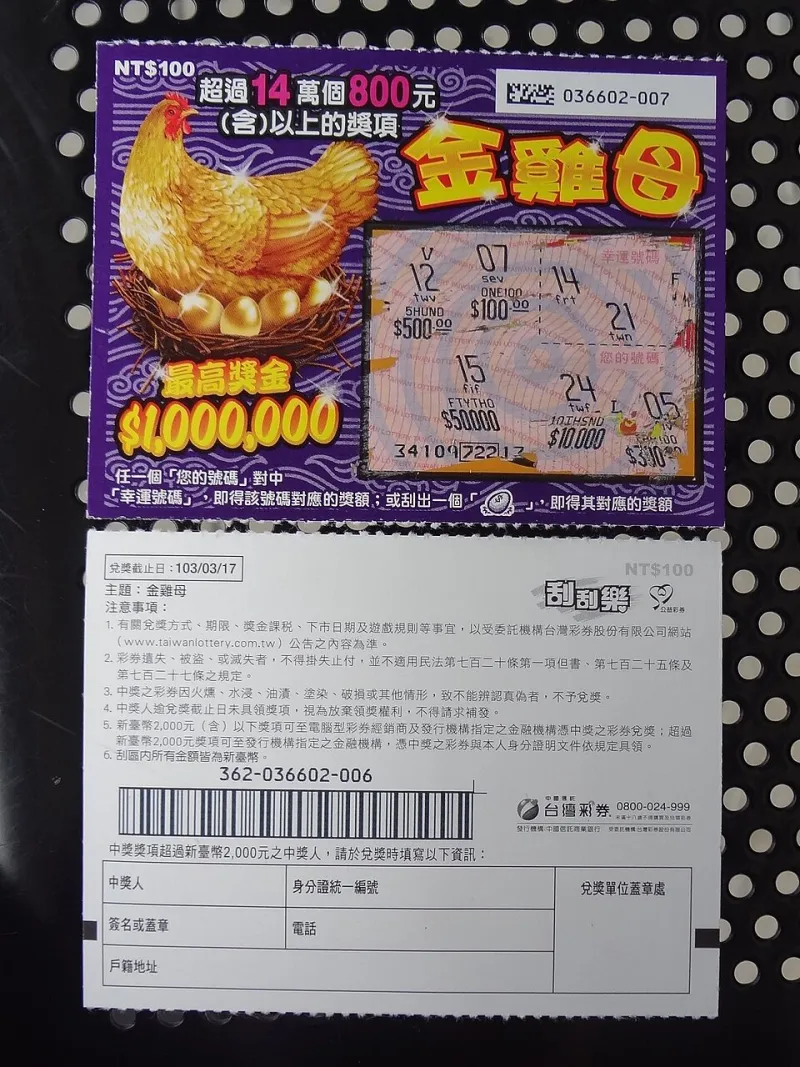
Photo: Solomon203, CC BY-SA 3.0, via Wikimedia Commons
Every week, millions of Americans do the same thing: scratch a ticket, lose, sigh, and chuck it in the nearest trash can. Some of us do it with genuine heartbreak. Some of us barely look up from our coffee. Either way, we've all been trained to believe a losing ticket is the end of the road.
Except, in most states, it isn't. Welcome to the second-chance drawing — the lottery's best-kept open secret, where your "loser" gets fed into a whole separate prize pool with cash, cars, trips, and experiences on the line. If you've never heard of it, you've been leaving free entries on the table.
What Exactly Is a Second-Chance Drawing?
The concept is simple. When you buy a scratch-off or draw game ticket and it doesn't win, many state lotteries let you register that ticket for a supplementary drawing. Your non-winning ticket becomes an entry — kind of like a raffle ticket you got for free by accident.
The prizes vary wildly by state. Some offer straight cash. Others dangle new trucks, cruise packages, season tickets, concert passes, or once-a-lifetime experiences like throwing out a first pitch. A few states run monthly drawings; others do big seasonal events tied to new game launches.
The reason lotteries do this is pretty honest when you think about it: they want you to keep playing, and they want your data. Signing up for a second-chance program usually means creating an account with your state lottery, which gives them a direct line to players — and gives you a shot at prizes that would otherwise cost real money.
How It Works, State by State
There's no national system here. Second-chance programs are run individually, and the details matter:
- Texas runs second-chance promotions tied to specific scratch-off games, often with cash prizes in the tens of thousands.
- California has run its own versions of entry-based promotions, though availability shifts with game cycles.
- Florida, Ohio, Pennsylvania, and Michigan all run robust programs through their official lottery apps, where you scan losing tickets and entries accumulate automatically.
- New York frequently ties promotions to collectible-style games and limited-run events.
The catch: eligibility and prizes change constantly. A promotion running this month might be gone by spring, replaced by something tied to a new $20 ticket. Check your state lottery's website or app — that's where the current promos live.
How to Actually Play (Without Wasting Your Time)
Here's the part most casual players get wrong. Second-chance drawings aren't a magic fix — the odds are still long — but there are real ways to tilt things slightly in your favor.
1. Sign up before you buy. So many people scratch first and think about registration later. By then, the ticket's in the trash. Create your account, download your state's app, and get in the habit of scanning every non-winner before it hits the bin.
2. Read the promo fine print. Some drawings only accept tickets from specific games or price points. A $2 loser might not qualify; a $10 one might earn triple entries. Knowing which games feed the drawing changes what you buy.
3. Enter early, enter everything. Entries are cumulative in many programs — more tickets scanned means better (relatively speaking) odds. And because participation rates are surprisingly low, even modest consistency puts you ahead of the crowd.
4. Watch for multiplier days. Some states run weeks where every entry counts double or triple. That's when it pays to play if you're already buying tickets anyway.
5. Keep the physical ticket until the drawing happens. Most programs require you to present the original ticket if you win. A shoebox or drawer works fine. Your future self will thank you.
The Psychology of the "Loser" That Isn't
There's something quietly satisfying about second-chance drawings, and it's not just the prizes. For a lot of players, they reframe the whole experience. A scratch-off that doesn't pay out feels like a dead end — a little sting, a little regret. But a ticket that feeds into another drawing turns that same purchase into a two-stage game.
Is that a rational reason to feel better? Eh. The expected value of a second-chance entry is tiny — these drawings have plenty of entries, and the big prizes are rare. But the psychological flip is real: you're converting a loss into a possibility, and it costs you nothing but thirty seconds of scanning a barcode.
That said, a word of caution from your friends at Go2Jackpots: second-chance programs are a perk, not a strategy. Don't buy tickets because of the second-chance drawing — buy them because you enjoy the game and can afford the entertainment. The drawing is gravy. If the gravy starts driving the meal, it's time to step back.
Quick Answers for New Players
Do second-chance drawings cost anything? No. Entry is free once you have a non-winning ticket and a registered account.
Are the odds better than the main game? Usually, yes — dramatically fewer people enter than buy tickets. But the prize pools are smaller too, so don't expect Powerball math.
Can I enter tickets from another state? Generally no. You play and enter within your own state's program.
What happens if I win? You'll get contacted through your registered account — which is exactly why you should use a real email address and actually check it.
The Bottom Line
Second-chance drawings won't make you rich, and they're not a secret loophole. But they're free, they're easy, and they turn the pile of losing tickets in your junk drawer into entries for cash, cars, and experiences you'd otherwise never win. Scan the ticket. Keep the stub. Let the loser take one more swing.
Sometimes the second act is where the story gets good.