Ripped, Soaked, Shredded: Your Emergency Playbook for a Wounded Winning Ticket
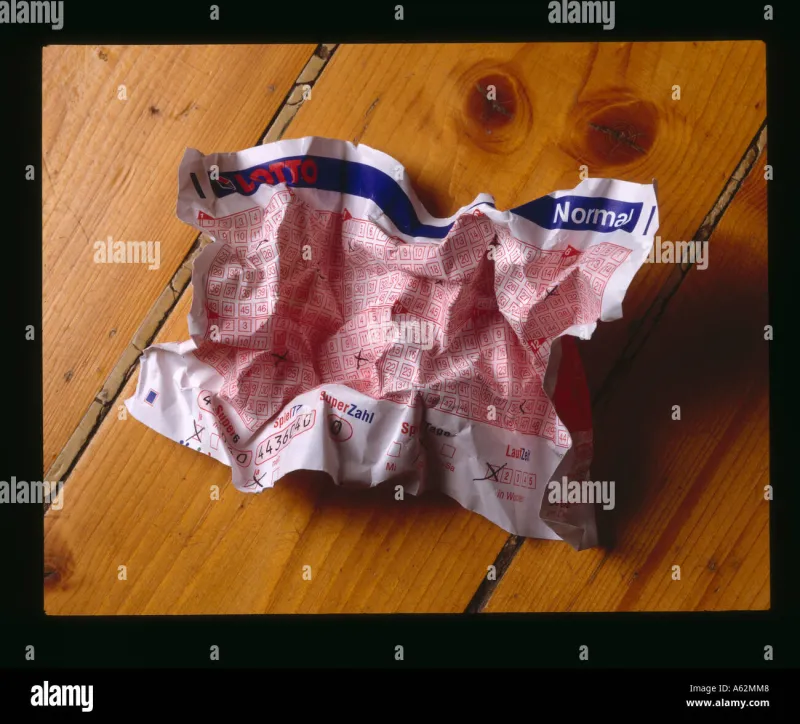
Photo: torn crumpled lottery ticket close up on table, via c8.alamy.com
Every lottery player has a horror story. The guy in Georgia who ran his $2 million ticket through the wash. The woman who found her winner in the dryer, lint-fused and illegible. The countless tickets quietly rejected by self-service scanners because a bar code got smudged by a hot dog finger.
Here's the good news: a mangled ticket is not a dead ticket. Lottery offices see this stuff every single day, and most states have a process for exactly this situation. The bad news? The process rewards people who act fast and punish people who tape, laminate, or — we're serious — try to re-print their ticket at home.
Let's walk through what actually happens when a ticket takes damage, what the lottery office needs from you, and how to stack the odds in your favor before disaster ever strikes.
First Things First: Stop Touching the Ticket
The single biggest mistake people make is trying to "fix" a damaged ticket. Resist every instinct you have.
Don't tape it. Don't laminate it. Don't iron it flat. Don't run it under the scanner twenty times hoping it changes its mind. Every one of those moves can smear the bar code, tear the paper further, or — worst case — make the ticket look tampered with. Lottery security teams are trained to spot altered tickets, and a well-meaning piece of Scotch tape can turn a legit winner into an investigation.
Instead:
- Handle it by the edges. Oils and moisture make bar codes worse.
- Lay it flat and let it air dry if it's wet. No hair dryers, no radiators.
- Photograph both sides with your phone before doing anything else. This creates a timestamped record of what you found and its condition.
- Put it in a plastic sleeve or a zip-top bag — loose, not taped down.
That's it. Your job now is preservation, not restoration.
What the Lottery Office Actually Needs
Here's something most casual players never learn: the bar code isn't the only way a ticket can be verified. Every lottery ticket contains a hidden serial number printed in a different spot than the bar code, plus security features like specific paper stock, ink patterns, and game-specific data embedded in the print.
When a bar code is unreadable, lottery staff can validate a ticket manually using that serial number and the visible game information. This is why torn tickets get paid — sometimes a ticket in six pieces is fine, as long as all the pieces are there and the serial number survived.
What varies by state is the bar for proof. A ticket that's slightly crumpled? Usually validated on the spot at a retailer or claim center. A ticket shredded by the washer? You may be asked to:
- Present all fragments, laid out as completely as possible
- Fill out a damaged ticket claim form
- Provide a written statement about how the damage occurred
- Wait while the state's security division runs a validation review — sometimes a few weeks
Some states, like Texas and Florida, explicitly address damaged tickets in their claim procedures, and their security teams have recovered winners from tickets that looked like modern art. If your fragments add up to a verifiable serial number, you've got a real shot.
The Scary Scenario: You Don't Have the Whole Ticket
Partial tickets are where things get trickier, but not hopeless. States have paid claims on fragments when the remaining portion contained enough data to validate. The key factors are the serial number, the game and play data, and whether the ticket matches a winning entry in the central system that hasn't already been claimed.
That last part matters. Lottery terminals log every ticket sold, and unclaimed winners sit in the system. If your half-torn ticket matches an unclaimed winning entry and you can make a credible case, some states will work with you. Others will tell you no. It genuinely depends on where you live, which is why step one of any disaster is calling your state lottery's customer service line — not the retailer, not your brother-in-law who "knows a guy." The lottery office itself.
One more thing: if you genuinely lost the ticket entirely and someone else cashes it, you're out of luck. Lottery tickets are bearer instruments — the person holding the ticket is, for all practical purposes, the winner. There's no "my dog ate it" department. This is why prevention matters more than any rescue mission.
The Five-Minute Habit That Prevents All of This
The players who never deal with ticket trauma all do versions of the same routine:
- Sign the back immediately. A signed ticket can only be claimed by you, which protects you if it's lost and found.
- Photograph it front and back the moment you buy it. Thirty seconds of phone work.
- Check it the same day. Unchecked tickets are how prizes end up in that unclaimed-prizes pile we've written about before.
- Store tickets in one dedicated spot — a specific drawer, an envelope in your wallet, anywhere that isn't the pocket of jeans headed for the wash.
- Never leave a ticket in the car. Heat, cold, and sunlight all degrade bar codes and thermal-printed data.
That's the whole system. It takes less time than picking your numbers.
The Bottom Line
A damaged ticket is a headache, not a heartbreak — as long as you preserve what you have, skip the DIY repairs, and get the state lottery involved early. The people who actually lose out are the ones who throw fragments in the trash, tape their ticket into an unrecognizable brick, or leave a winner crumpled in a coat pocket until laundry day claims it.
You chased the jackpot. Don't let a washing machine outplay you at the finish line.