The Rabbit's Foot Economy: Why America's Gamblers Won't Quit Their Luckiest Rituals
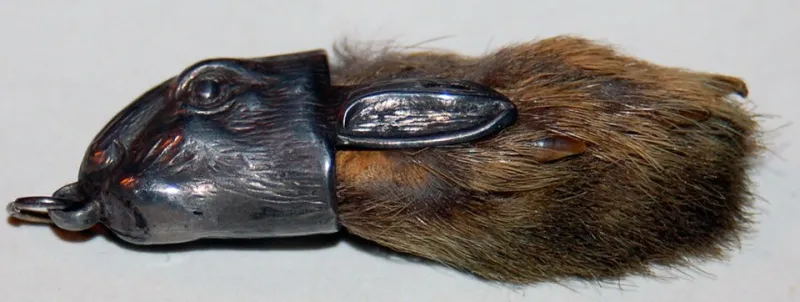
Photo: Sobebunny, CC BY-SA 3.0, via Wikimedia Commons
Somewhere in Reno right now, a guy in a faded 1998 Super Bowl t-shirt is feeding a five into a video poker machine. The shirt is thirteen years past its lucky prime. It has survived three washes a week, two moves, and one very tense intervention attempt by his wife. He will not wear anything else to the casino, and honestly, why would he? Last March, that shirt hit a royal flush.
Welcome to the Lucky Ritual Hall of Fame — a museum that exists in every casino, gas station lottery line, and Tuesday night bingo hall in America.
The Inductees
Every long-time gambler knows the classics, but the depth of the catalog is genuinely impressive:
- The Winning Shirt (see above). Variants include lucky socks, a grandfather's belt buckle, and one woman in Biloxi who refuses to gamble without her late mother's bracelet.
- The Birthday Number Doctrine. Millions of Powerball tickets are built entirely from family birth dates, which caps your picks at 1 through 31 and guarantees you'll share the jackpot with every other birthday-player if those numbers ever hit.
- Machine Voodoo. Players who only sit at slots facing a certain direction, who tap the screen three times, who believe a machine is 'due' because it hasn't paid in an hour. (It isn't. More on that in a second.)
- The First-Timer's Blessing. The belief that beginners win because they're pure of heart. There's actually a kernel of truth here — novices sometimes make plays experienced players would overthink — but mostly it's just memorable when it happens.
- The Cash Ritual. Playing only with bills received as gifts, never touching a twenty from your own wallet, or refusing to gamble money earned on a Friday.
None of these change the odds. Not one. And yet they persist, generation after generation, from Atlantic City card rooms to the lottery counter at a Truckee gas station.
Why Your Brain Loves a Lucky Charm
Here's the fun part: the superstition isn't a bug in human psychology. It's a feature.
Behavioral scientists call it illusory correlation — our brains are pattern-hunting machines, and they'd rather find a pattern that doesn't exist than accept randomness. When B.F. Skinner famously put pigeons on random feeding schedules, the birds developed bizarre rituals anyway: spinning in circles, pecking at nothing. They behaved as if their dance caused the food. We're the same species, just with better shirts.
Gambling is the perfect environment for this. Slot outcomes are pure random number generation. Lottery draws are chaos in a ping-pong machine. When the results are truly random, there's nothing to learn — so the brain fills the void with meaning. The ritual also does something real: it reduces anxiety and gives a sense of control in a situation where you have none. That feeling is genuinely pleasant, even if the charm is useless.
We asked around our own readership, and the confessions rolled in. A reader in Ohio told us she always plays the same Pick 4 numbers — her old house address — because 'the numbers know me.' A poker player from Austin won't buy into a game until he's lost one hand on purpose, 'to warm up the table.' A slots regular in Michigan swears by machines with the word 'Fortune' in the title and nothing else.
Are they wrong? About causation, absolutely. About having fun? Hardly.
Where the Line Gets Drawn
Here's our editorial stance at Go2Jackpots: a ritual is harmless when it costs you nothing but a little dignity. A lucky shirt is free. A birthday number costs the same as any other pick. If your charm makes the game more fun, that's entertainment value — the same reason we'd never mock the guy who high-fives a stranger after a slot win.
But superstition turns expensive when it starts making financial decisions for you. Watch for these red flags:
- The 'Due Machine' Trap. The single most expensive myth in American casinos. A slot that hasn't paid in two hours has the exact same odds on the next spin as it did on the first. Chasing a 'due' machine is how a fun night becomes a rough weekend.
- The Escalation Ritual. 'I always bet more after a loss to win it back' isn't a ritual — it's the gambler's fallacy wearing a costume.
- The Lucky Streak Budget-Buster. If you're increasing bets because the table 'feels hot,' you're letting a feeling write checks your bankroll has to cash.
- The Charm Dependency. If you genuinely believe you can't win without the ritual — and you're anxious or irritable without it — that's worth a pause and an honest look.
The difference comes down to one question: does the ritual change how much you spend? If the answer is no, enjoy your lucky socks. If the answer is yes, the charm is no longer charming.
The Verdict from the Hall of Fame Committee
Superstition in gambling is like ketchup on a hot dog — technically unnecessary, statistically irrelevant, and deeply, stubbornly American. The rituals make the games feel personal. They turn a random number generator into a story you can tell at the bar.
So wear the shirt. Play the birthdays. Knock on the machine if it makes you smile. Just do it with clear eyes: your lucky charm has never moved a single reel, and it never will. What it can do is make the night more fun — and fun, responsibly budgeted, is the whole point.
The house edge is real. So is the joy of a ritual. Keep the first in mind and the second in perspective, and you'll do just fine — lucky shirt or not.